FSE Regs 2022 · 8 min read
Fire Safety (England) Regulations 2022: What Responsible Persons Must Do Now
Read
The Building Safety Act 2022 created a new building-safety regime for higher-risk buildings. This guide outlines the roles, information duties and project controls that can be relevant to fire-door work.
The Building Safety Act 2022 received Royal Assent on 28 April 2022. It established a new regime for higher-risk buildings in England. Whether a building falls within that regime depends on statutory definitions and the particular stage of its lifecycle; the Building Safety Regulator’s current guidance should be checked for the project.
The higher-risk-building regime includes gateway controls during design and construction. Project teams should identify the relevant fire-door information, responsibilities and change-control evidence early and retain it in the required building-safety information.
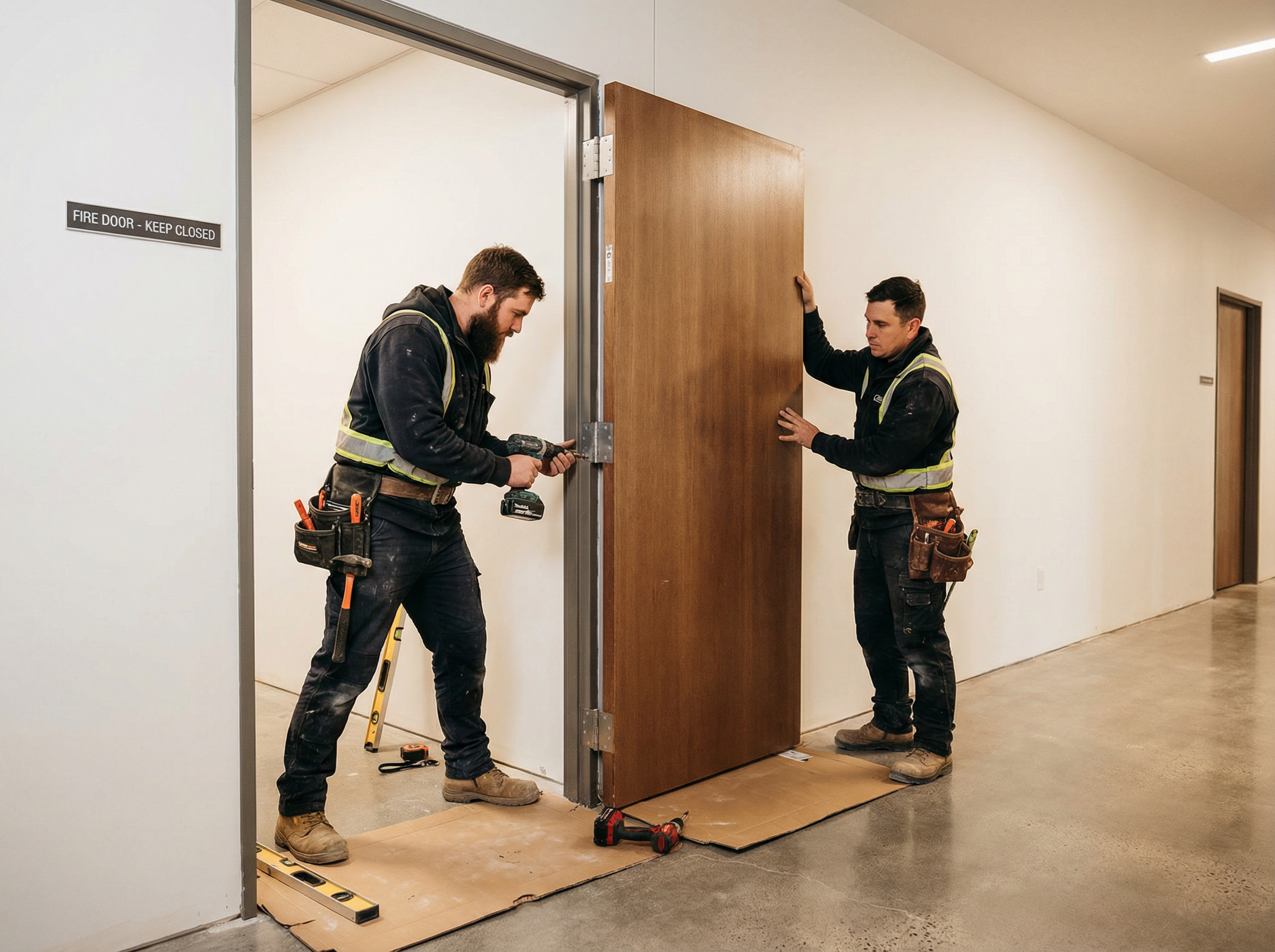
Fire doors should not be treated as a late procurement item. The project team should define the specified doorset, product evidence, installation information and handover records appropriate to the building and the applicable regime.
The Act creates two new statutory roles: the Accountable Person (AP) and, where there are multiple APs, the Principal Accountable Person (PAP). The PAP is responsible for registering the building with the Building Safety Regulator and for producing a Safety Case Report demonstrating that building safety risks — including fire risks — are being managed.
New Legal Duty
Principal accountable persons have statutory duties in relation to occupied higher-risk buildings. The registration and safety-case requirements are set by the Building Safety Act regime and related regulations; a project should confirm the precise information required rather than assuming a standard fire-door evidence set.
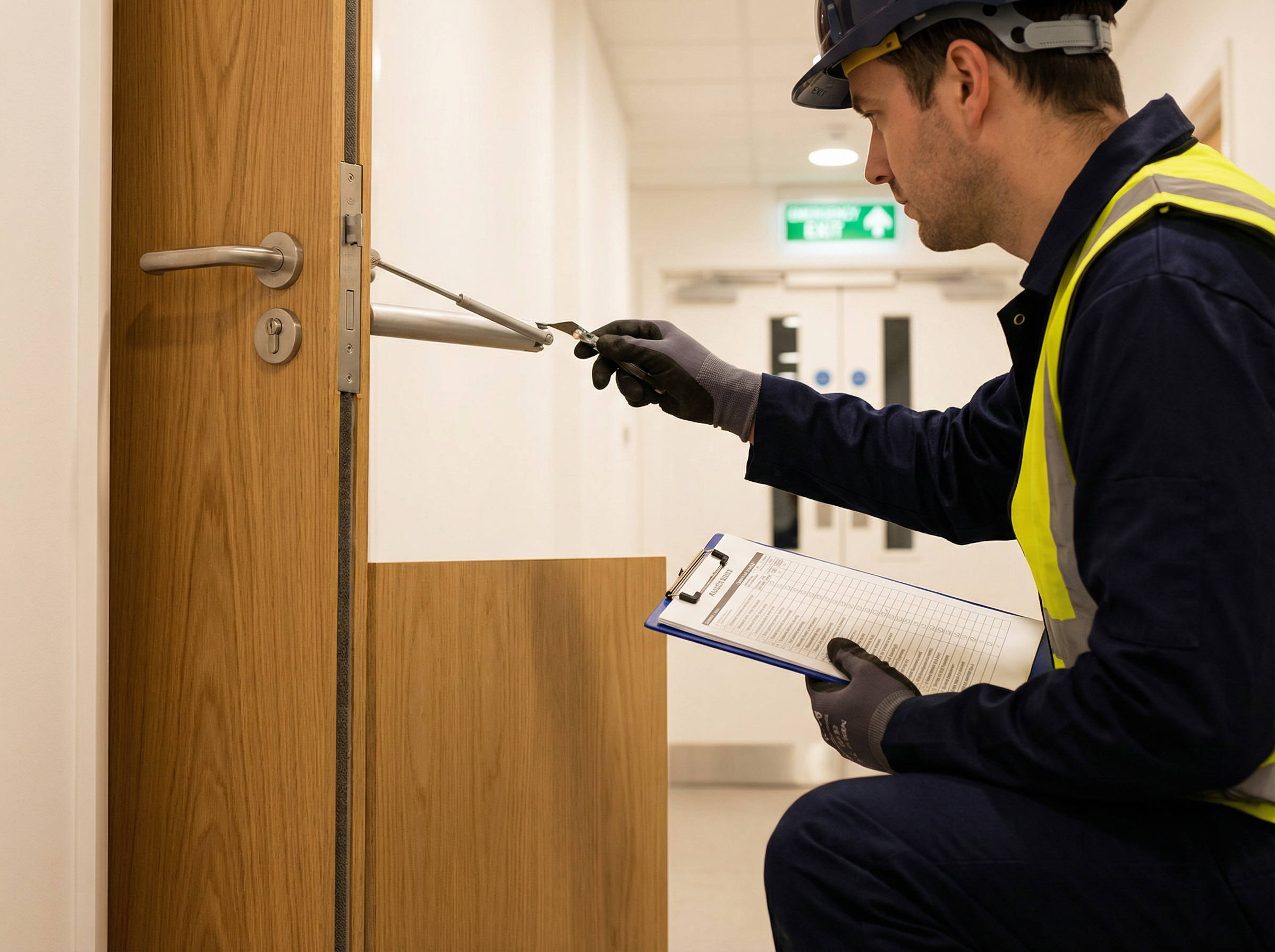
One of the most significant requirements of the Act is the 'golden thread' — a digital record of building safety information that must be maintained throughout the life of the building. For fire doors, this means maintaining records of:
The golden thread is building-safety information that should be accurate, kept digitally, securely managed and available to those who need it. The fire-door records required for a particular building depend on the information-management strategy and the work undertaken.
For higher-risk building projects, developers and principal contractors should establish the competence, product-information, change-control and record-keeping requirements for the package. Certification requirements should be confirmed against the building-control, specification and procurement requirements for the project.
Procurement should be based on demonstrable competence, a clear scope, appropriate product evidence and the records required for handover and ongoing building-safety management.
The Act also addresses existing higher-risk buildings. Where fire doors in existing buildings do not meet the relevant requirements, the Accountable Person should consider the action needed through the building-safety arrangements and applicable legislation.
BM TRADA lists Eagle Fire for Q-Mark Fire Door Installation, Fire Door Maintenance and Fire Stopping Installation.
Discuss fire door work for a North West project, including the information and evidence requirements identified by its duty holders and project team.
Discuss Your Building Safety RequirementsThis article is general information, not legal advice. Review the original guidance and consider the circumstances of the premises.